Budget Meal Planning Overview
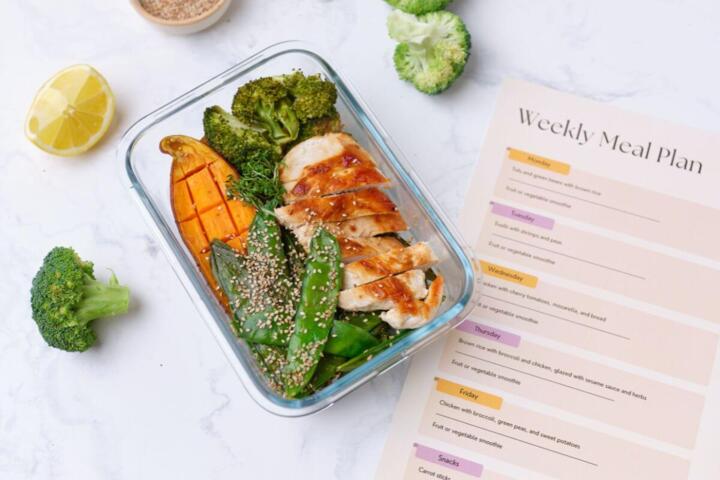
Meal planning on a budget involves creating menus and grocery lists that minimize costs while maximizing nutrition and convenience. It means balancing perishable and non-perishable foods to avoid waste. Americans spend approximately $4,643 on food annually per USDA data; cutting that by 20–30% with smart plans adds up fast.
For example, planning meals around weekly store discounts or sales on staples like rice, beans, and chicken can reduce costs drastically. Using tools such as Kroger’s app for personalized deals saves both money and impulse buys. Simple batch-cooking sessions and freezing extra portions also stretch ingredients over multiple meals.
Challenges in Meal Planning
People often misjudge how much food they actually consume, leading to excessive purchasing or last-minute trips. This results in wasted money and food. Ignoring perishable items frequently means discarding vegetables or dairy, driving up costs unnecessarily. Another frequent error is shopping without a focused list which invites impulsive expenses.
For families juggling schedules or those new to cooking, solutions must fit tight time windows without requiring costly convenience foods. Meal planning that fails to adapt whenever habits or prices shift causes boredom or overspending. For example, buying specialty ingredients every week, assuming frequent use, rarely pays off.
Wasted food costs Americans about $1,866 per household yearly, says the Natural Resources Defense Council. It’s an expense many don’t see until reviewing credit card bills. Planning with care matters most when budgets tighten.
Effective Planning Strategies
Base Menus on Sale Items
Check weekly ads before shopping and build your menu around discounted proteins and produce. This method reduces staple expenses by 15–25%. Apps like Flipp or retailer-specific ones help track deals efficiently. For example, if chicken breasts face a 30% drop, plan three meals including it that week.
Use Bulk and Store Brands
Buying large quantities of dry goods such as oats, pasta, or frozen vegetables cuts costs up to 40%. Store brands typically offer the same quality but at 20–35% lower prices than national brands, proven by Consumer Reports tests. Transfer items into airtight containers to maintain freshness for months.
Prep and Freeze Meals Ahead
Batch-cooking on weekends saves up to three hours of daily meal prep during the week. Portion half into the freezer — meals remain safe for 3–4 months. Slow cookers and Instantpots work wonders here. I use an Instantpot Duo 8-quart, model 2021, which helps with beans significantly.
Design Flexible Recipes
Rely on core ingredients like rice, beans, eggs, seasonal vegetables, and swappable spices. Modify these depending on available discounts or pantry stock, cutting down the need to buy new items weekly. This flexibility reduces guesswork and prevents waste.
Emphasize Whole, Inexpensive Foods
Items such as carrots, cabbage, lentils, and bulk potatoes cost under $1.50 per pound in most U.S. regions, making them staples. Adding spices or sauces from the pantry keeps meals flavorful. These ingredients remain shelf-stable or last beyond a week refrigerated.
Plan for Leftovers Strategically
Cooking double portions and transforming leftovers into new meals saves money. For example, roast chicken one night, then shred leftovers for tacos or soup the next. It reduces total cooking time and prevents redundant purchases.
Track Spending Rigorously
Use budgeting apps like EveryDollar or Mint to log food expenses daily. Review weekly to spot overspending patterns or adjust quantities. Visual tracking helps correct habits quickly—a tactic that, admittedly, many overlook.
Shop Less Often
Reducing shopping frequency to once or twice weekly cuts impulse or emergency purchases. Consolidate lists and plan so multiple meals come from one trip. Combine this, if possible, with stores offering bulk discounts for extra savings.
Grow or Source Local
Home gardening or buying from farmers markets often costs less than supermarkets, especially for fresh herbs or seasonal veggies. This approach requires effort but pays off financially and nutritionally; a basil plant for under $4 yields more than a $3 bunch weekly.
Real-Life Examples
A community center in Ohio needed affordable, nutritious meals for clients relying on food assistance. They started weekly menu planning using discounted items from Aldi and batch-cooked three entrées a week. Food costs dropped by 28% in six months, and food waste halved.
A freelance writer from Minneapolis used meal planning tools such as Paprika and weekly discount lists from Target. He swapped expensive meals for homemade slow cooker recipes. After three months, his grocery spend fell from $550 to $400 monthly without quality sacrifice.
Meal Planning Checklist
| Step | Action | Tool/Resource | Expected Outcome |
|---|---|---|---|
| 1 | Survey pantry, fridge | Manual check | Use existing items fully |
| 2 | Review store ads | Flipp, Kroger app | Identify sale items |
| 3 | Plan menus around sales | Paper list or app | Cut food costs 15-25% |
| 4 | Batch-cook & freeze | Instantpot, freezer bags | Save 3+ cooking hours/week |
| 5 | Track grocery spending | Mint, EveryDollar | Identify & fix overspending |
Avoid Common Errors
Buying without a clear plan typically leads to both waste and overspending. To avoid this, detail the exact number of portions per meal. Do not rely solely on impulse deals; measure if the discounted item fits your needs.
Another mistake is ignoring fridge inventory. I once bought fresh spinach twice in one week, which, frankly, most people skip checking for. Use a whiteboard or app notes for reminders. Last, putting too much trust in bulk buys can backfire if products expire unused.
Avoid too many “convenience products” in the cart—they eat the budget quickly and often lack balanced nutrition. Planning should try to convert complex recipes into simpler, affordable dishes.
FAQ
How many meals should I plan weekly?
Planning five to seven meals per week provides structure without being overwhelming. It allows some leftovers and flexibility for eating out or quick replacements.
Is eating healthy costly on a budget?
No. Budget eating relies on whole foods like beans, grains, and seasonal veggies that cost under $2 per meal. Avoiding processed snacks saves money and improves nutrition.
Which apps help meal planning affordably?
Apps like Flipp, Paprika, EveryDollar, and Kroger’s digital coupons assist in deal tracking, grocery lists, budgeting, and recipe organization.
How to prevent food waste effectively?
Plan portions accurately, freeze excess, and consume perishables early. Label leftovers with dates and reheats in meals within three days.
Can batch cooking fit a busy lifestyle?
Yes, with practice. Designate 1–2 hours during weekends to cook staples and freeze portions for the week. Instantpots speed up cooking which, ironically, most guides neglect.
Author's Insight
From experience, the biggest savings come from combining sale shopping with batch cooking. A version of my grocery strategy started in winter 2020 and evolved through trial and error. It reduces anxiety, the budget survives, and the meals rarely feel repetitive. My advice: don’t overcomplicate the first week; adapt as you go. Meal plans are living documents, not contracts.
Key Points
Budget-friendly meal planning demands data: grocery prices, pantry inventory, and household appetite. Buy sales, prioritize whole cheap foods, batch cook, and track spending. Avoid repeated purchases of perishables and minimize shopping trips. Follow the checklist to form routines, avoid waste, and stretch food dollars every month. Savings grow silently, meal by meal.