Learning Your Internet Bill
Internet bills often include hidden fees, promotional prices, and bundled services that raise costs. According to the Federal Communications Commission’s 2021 report, the average monthly internet bill in the US hovers around $68, but many pay significantly more due to add-ons and slow plan downgrades. Suppose your plan advertises 200 Mbps but your usage needs only 100 Mbps; you might be overpaying without realizing it. Typical service providers like Comcast, AT&T, and Spectrum offer a range of plans differing mainly by speed and contract terms. Knowing exactly what you pay for and how your plan compares is a prerequisite to negotiating better rates.
Common Negotiation Pitfalls
Many customers accept the listed retail price without question or assume no room for deals after signing up. That assumption leaves money on the table. Providers often keep promotional rates for new customers but penalize loyal ones who don’t call in to renegotiate. The consequence? Bills increase annually by 3–5% on average. Slow internet speeds or data caps are sometimes accepted as normal when patience could get you a faster connection at less expense. Ignoring competitive offers from rival ISPs also weakens your position during negotiations.
Steps to Lower Your Rate
Analyze Usage vs. Plan Speed
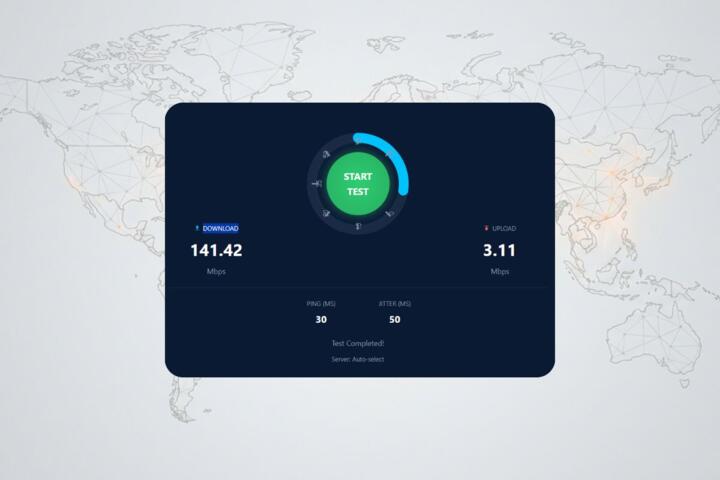
Start by running internet speed tests with tools like Speedtest.net or Google's speed test. Gather data over several days at different times. Customer x told me their 300 Mbps plan delivered only 80 Mbps average use with home devices. Downsizing to a 150 Mbps package cut their bill almost 35%, while still meeting all needs.
Research Competitor Offers
Visit local ISP websites or use broadband mapping sources like BroadbandNow to identify current deals. Highlight plans with equal or better metrics than yours at lower prices. Having these details on hand helps during calls; it signals you’re informed. For example, Verizon Fios and CenturyLink often have promotional prices regionally that aren’t widely advertised.
Call Customer Retention Departments
Do not settle for the first representative. Ask for the retention or loyalty team, whose job includes offering discounts to keep customers. Indicate you’ve found a competing better deal or mention a looming budget concern. If you’re polite but firm, many agents will reduce rates or waive equipment fees. A quick call may save you $10–$20 monthly.
Bundle Selectively
Bundling cable TV or home phone can sometimes reduce your internet cost. But only if you actually use those services. Customers I've helped who blindly bundled wasted money on unnecessary packages, ending up with higher bills. If you bundle, negotiate the internet portion separately first.
Ask About Promotional Extensions
Sometimes promotions expire after 12 months with prices jumping abruptly. Ask if your provider can extend your current discount. Many will grant 3–6 month extensions to avoid losing you. For instance, Spectrum’s reps frequently offer follow-up deals if you hint you might cancel.
Check for Equipment Fees
Modem and router rental fees sometimes add $10–$15 monthly. Buying your own compatible modem (e.g., Motorola MB7621) often saves money long-term. Providers expect you to ask—they won’t volunteer this tip. I made this change recently with Xfinity and saw my monthly bill drop by $12.
Leverage Payment History
Highlight your consistent on-time payments to the agent. Mention that you value their service but need affordability. Loyalty matters here. Some ISPs reward good payment records with lower rates or temporary credits. Including last 12 months’ payment receipts during the call impresses the agent subtly.
Consider Contract Negotiations
Agreeing to sign a contract for a year or two may unlock hidden lower rate tiers. But beware of early termination fees. If you plan to remain in one place, this tradeoff can be cost-efficient. Providers like AT&T sometimes give discounts to contract customers, not available to month-to-month clients.
Use Online Chat and Email
Sometimes chat agents have access to different offers than phone reps. I’ve seen chat reps offer a $15 monthly discount on faster plans without upselling. Emailing customer support also puts a paper trail on your requests, useful for follow-up.
Real Examples of Success
A small business in Ohio was stuck paying $140 monthly for 500 Mbps from one provider. After gathering competitor pricing and calling retention, they secured a 250 Mbps plan for $95 monthly, a 32% cut. The reduced speed covered their needs perfectly because much of their staff worked offline. Another freelance designer in Denver cut her Xfinity bill by 28% switching her modem to a personal unit and extending her promotional offer by calling quarterly.
Negotiation Checklist
| Step | Action | Tool/Service | Expected Savings |
|---|---|---|---|
| 1 | Check speed usage | Speedtest.net | Up to 20% |
| 2 | Compare competitors | BroadbandNow | 10-30% |
| 3 | Call retention | Customer Care | $10-$20/mo |
| 4 | Review equipment fees | Buy modem | $120 yr saved |
Mistakes to Avoid
Don’t accept first offers or say “No” to negotiating. Providers expect some pushback, and silence wastes leverage. Avoid calling during peak hours – wait for mid-morning or late afternoon for better agent availability. Insisting on switching plans without research often leads to downgrades that feel like savings but slow you. Also, don’t forget to document promises—agents sometimes forget about offered discounts. Be ready to follow up.
FAQ
How often should I negotiate?
Every 12 months is ideal; promos often end yearly, causing price jumps.
Can I keep my speed when lowering cost?
Yes, by requesting match offers or promotional extensions carefully.
Is buying my modem better?
Usually yes; equipment fees add $120+ yearly.
What if no deals are offered?
Consider switching ISPs or reducing plan speed cautiously.
Will contracts save money?
Sometimes; but you trade flexibility for discounts.
Author's Insight
After years negotiating internet bills for clients and myself, I find the best prices require patience and documentation. Agents respond well to specific competitor pricing and loyalty evidence. I once saved a freelancer $150 annually just by buying a modem instead of renting. Calling customer care is awkward but pays off—do it armed with facts. The real challenge lies in avoiding automatic renewal price hikes.
Key Takeaways
Lowering your internet bill without losing speed starts with knowing your usage and researching local offers. Call your provider’s retention team and ask for promos or fee waivers. Buying your modem and timing negotiations right adds savings. Track your deals and be persistent. Smart negotiating takes minutes but saves hundreds.